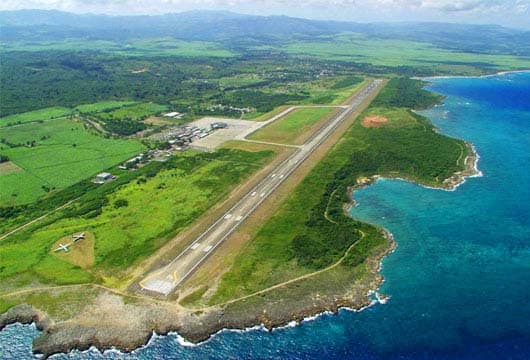
Everything pilots need to know to fly private to the Dominican Republic in 2026 — permits, fees, airports, customs, and tips from the DR’s aviation community.
If you’ve been thinking about flying your own aircraft to the Dominican Republic, you’re not alone. The DR has become one of the most pilot-friendly destinations in the Caribbean — and for good reason. With 14 accessible airports, a clear fee exemption policy for qualifying aircraft, fast customs clearance, and some of the best weather windows in the region, it’s a destination that rewards the general aviation pilot who does their homework.
This guide covers everything you need to know before you file your flight plan — from permits and fees to the best airports of entry, customs procedures, and what to expect on the ground.
Why Pilots Choose the Dominican Republic
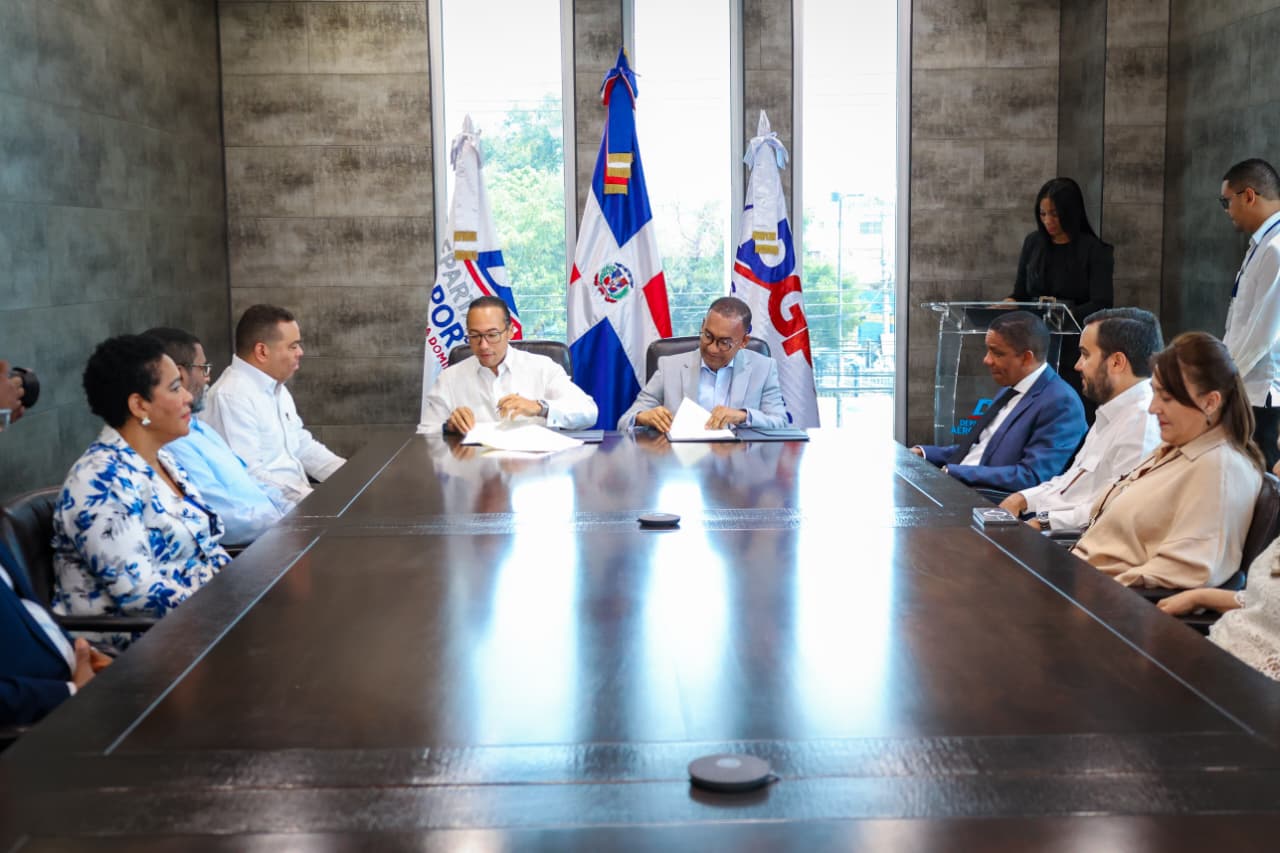
The DR’s appeal to general aviation isn’t accidental — it’s the result of deliberate government policy. Since Presidential Decree 169-08 was signed, aircraft up to 30,000 pounds maximum landing weight with a capacity of no more than 12 passengers are exempt from government user fees Aero-News Network, making the DR one of the most cost-effective Caribbean destinations for private pilots. That fee-free framework was reinforced and expanded under Decree 259-23, which strengthened the country’s commitment to welcoming non-commercial private aviation.
The results speak for themselves. In 2025, the Dominican Republic recorded nearly 19,000 general aviation operations across its airports. By April 2026, the country had already logged over 3,800 operations for the year — a pace that reflects real momentum, not just policy on paper.
Do You Need a Landing Permit?
This is the first question most pilots ask, and the answer depends on the nature of your flight.
Overflight permits are not required for the Dominican Republic. Landing permits are also not required for private non-revenue flights. universalweather If you own the aircraft and you’re flying yourself and your passengers — and no one is paying for the flight — you fall into the private non-revenue category and can arrive without a permit.
If you’re operating a charter with more than 12 passenger seats, a landing permit is required with a lead time of 48 hours. Charter flights with 12 or fewer passenger seats are classified as “Air Taxi,” and a notification to the Civil Aviation Authority (CAA) is required. universalweather
Bottom line: if it’s your plane and your passengers, you’re clear to land without a permit at any of the designated airports of entry.
Airports of Entry — Where to Land
The most popular airports of entry (AOEs) in the Dominican Republic are Santo Domingo (MDSD), La Romana (MDLR), Punta Cana (MDPC), Santo Domingo City — El Higüero (MDJB), Samaná (MDCY), and Puerto Plata (MDPP). Universal Weather
Here’s a quick breakdown to help you choose the right entry point based on your destination:
Punta Cana (MDPC) — The busiest general aviation airport in the DR and the most familiar to U.S. pilots. Excellent infrastructure, full FBO services, and close proximity to the resort corridor on the east coast. In 2024 alone it handled nearly 4,000 general aviation operations.
La Romana (MDLR) — A favorite for pilots heading to Casa de Campo and the southeastern coast. Consistently ranks among the top two airports for private operations month over month.
El Higüero — Presidente Dr. Joaquín Balaguer (MDJB) — Located just outside Santo Domingo, this is the go-to airport for the capital and the central region. In early 2026 it became the single busiest GA airport in the country, logging 478 operations in February alone.
Puerto Plata — Gregorio Luperón (MDPP) — The gateway to the north coast. Well-suited for pilots exploring Sosúa, Cabarete, and the Samaná Peninsula. This is also the primary entry point for organized fly-ins like the Flying Caribbean Adventure.
Samaná — El Catey (MDCY) — Ideal for pilots targeting the Samaná Peninsula, one of the DR’s most scenic and undervisited regions. Less traffic than Punta Cana or La Romana means a more relaxed arrival experience.
Domestic Airports — Once you’ve cleared customs at an international AOE, you’re free to continue to domestic airports. Cab Rojo in Pedernales is particularly popular with pilots exploring the southwest, while Osvaldo Virgil in Montecristi serves the northwest corridor.
Customs and Immigration — What to Expect
One of the most pleasant surprises for first-time arrivals is how smoothly the process runs. Customs, immigration, and quarantine (CIQ) clearance is typically handled at the GAT or FBO, with an average clearance time of around 5 to 10 minutes when all required information has been provided in advance. Universal Weather
Upon arrival, your handler takes crew and passenger passports to CIQ personnel, and luggage is X-rayed. Universal Weather The process is streamlined and, in most cases, far less involved than clearing customs at a major commercial airport.
E-Ticket requirement: Passengers arriving on private flights do not need to complete the E-Ticket online form — the physical Customs Declaration and International Embarkation/Disembarkation forms are accepted for non-commercial private aviation passengers. Dominican Republic Tourism This is an important distinction from commercial travelers, who must complete the digital form in advance.
Aircraft documents: Make sure the following are physically onboard the aircraft — airworthiness certificate, registration, and insurance documentation. Authorities may request these during ramp checks.
Agricultural restrictions: Fresh meat, cured meats, and dairy products from many countries are strictly prohibited Roafly due to the DR’s active measures against African Swine Fever. If you’re catering the flight, plan accordingly and declare anything that could raise questions.
Cash declaration: Any amount over $10,000 USD must be declared upon arrival. Roafly
Fuel, Handling, and Ground Services
Airport infrastructure, ground handling services, ground support equipment availability, and fuel uplift options are very good at all major airports throughout the Dominican Republic. Universal Weather
The key international AOEs — Punta Cana, La Romana, El Higüero, and Santo Domingo Las Américas — all have dedicated General Aviation Terminals (GATs) or Fixed Base Operators (FBOs). Puerto Plata operates through an FBO arrangement. When booking your trip, contact your handler in advance to confirm fuel availability, parking, and any specific requirements for your aircraft type.
Understanding Private vs. Charter — A Critical Distinction
This distinction matters legally and operationally. Only private flights where passengers are the owner of the aircraft or employees of the company owning the aircraft qualify as non-commercial private flights. Any time passengers pay for the flight — regardless of the arrangement — it is considered charter. universalweather
Charter operations require additional documentation and permitting. If you’re operating any kind of commercial arrangement, even informally, make sure you’re complying with the appropriate regulatory framework through IDAC.
Best Times to Visit
The Dominican Republic is a year-round destination, but general aviation pilots should factor in a few seasonal considerations:
November through April is the peak season and the most popular window for fly-ins from the U.S. and Canada. Weather is dry, skies are clear, and the north coast trade winds are manageable.
June through November is hurricane season. While the DR is rarely hit directly, the region sees increased convective activity and the occasional tropical system that can affect flight planning windows. Always monitor closely and build buffer days into your itinerary during this period.
The DR sits at roughly 18–20°N latitude, giving it a tropical climate with average temperatures between 27°C and 32°C (80–90°F). For pilots coming from northern U.S. states or Canada during winter, the contrast is immediate and welcome.
The Flying Caribbean Adventure — A Community Entry Point
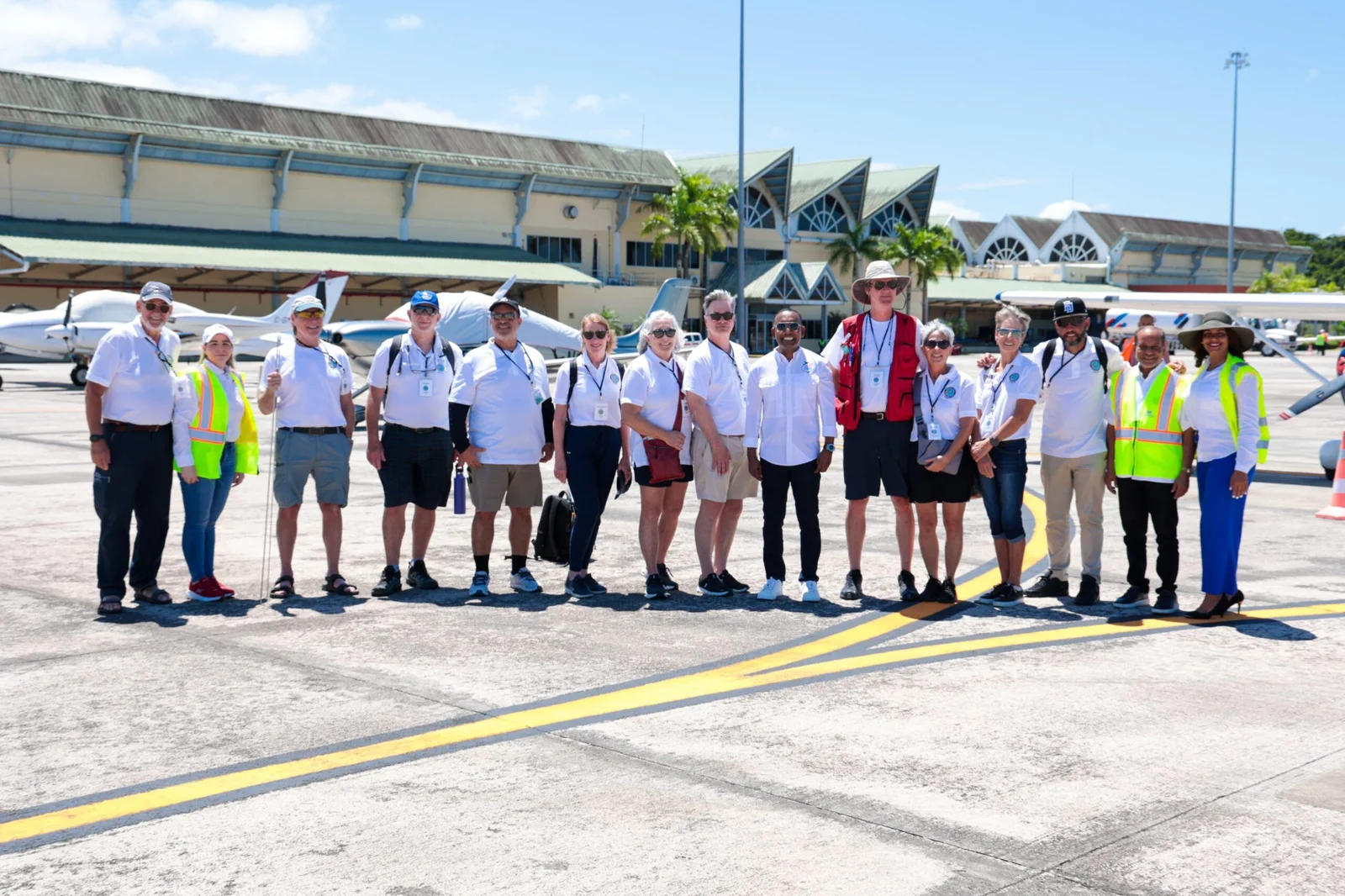
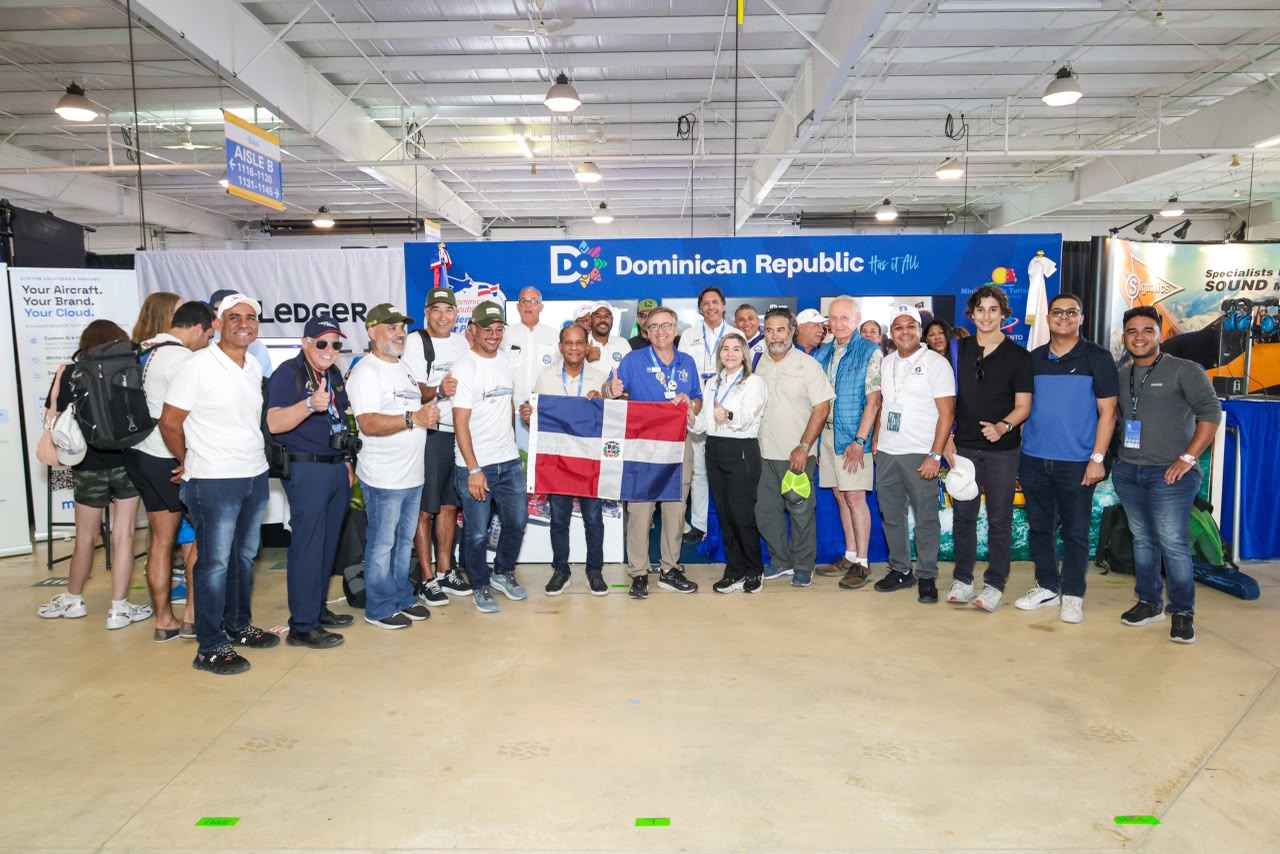
If you’re flying to the DR for the first time and want a guided, community experience, the Flying Caribbean Adventure organized by Jim Parker and Caribbean Flying Adventures is the most established fly-in program in the country. Parker, designated by the Dominican government as the country’s general aviation “goodwill ambassador,” has been coordinating group fly-ins for decades, offering 24/7 flight planning support, customs facilitation, and curated ground itineraries.
These fly-ins typically depart from Florida, clear customs at Puerto Plata, and explore multiple domestic airports — including Montecristi, one of the DR’s most distinctive and undervisited regions.
Key Contacts and Resources
- Airport Department (DA): da.gob.do
- Dominican Civil Aviation Institute (IDAC): idac.gob.do
- Caribbean Flying Adventures / Jim Parker: The primary organizing body for guided DR fly-ins
- FlyDominicanRepublic.com: Your ongoing source for airport guides, fly-in updates, and general aviation news from the DR
Final Checklist Before You Depart
Before you file your flight plan to the Dominican Republic, run through this:
- ✅ Aircraft under 30,000 lbs with 12 or fewer passenger seats (for fee exemption)
- ✅ Airworthiness certificate, registration, and insurance onboard
- ✅ Handler or FBO confirmed at your airport of entry
- ✅ No prohibited agricultural items in your catering
- ✅ Cash over $10,000 USD ready to declare
- ✅ No landing permit needed (private non-revenue flight)
- ✅ Physical customs forms ready (no E-Ticket required for private arrivals)
The Dominican Republic has invested significantly in making itself the most pilot-friendly destination in the Caribbean — and the numbers prove it’s working. Whether you’re making the crossing for the first time or adding another DR fly-in to your logbook, the infrastructure, the welcome, and the destination itself make it worth the flight.
Updated April 2026 — FlyDominicanRepublic.com