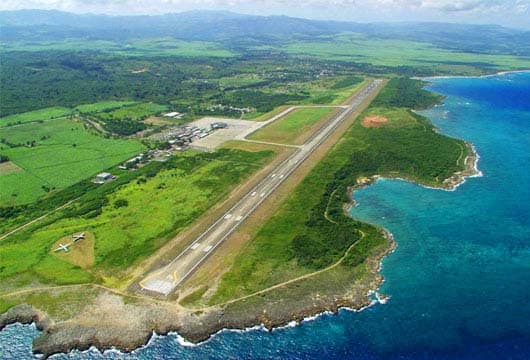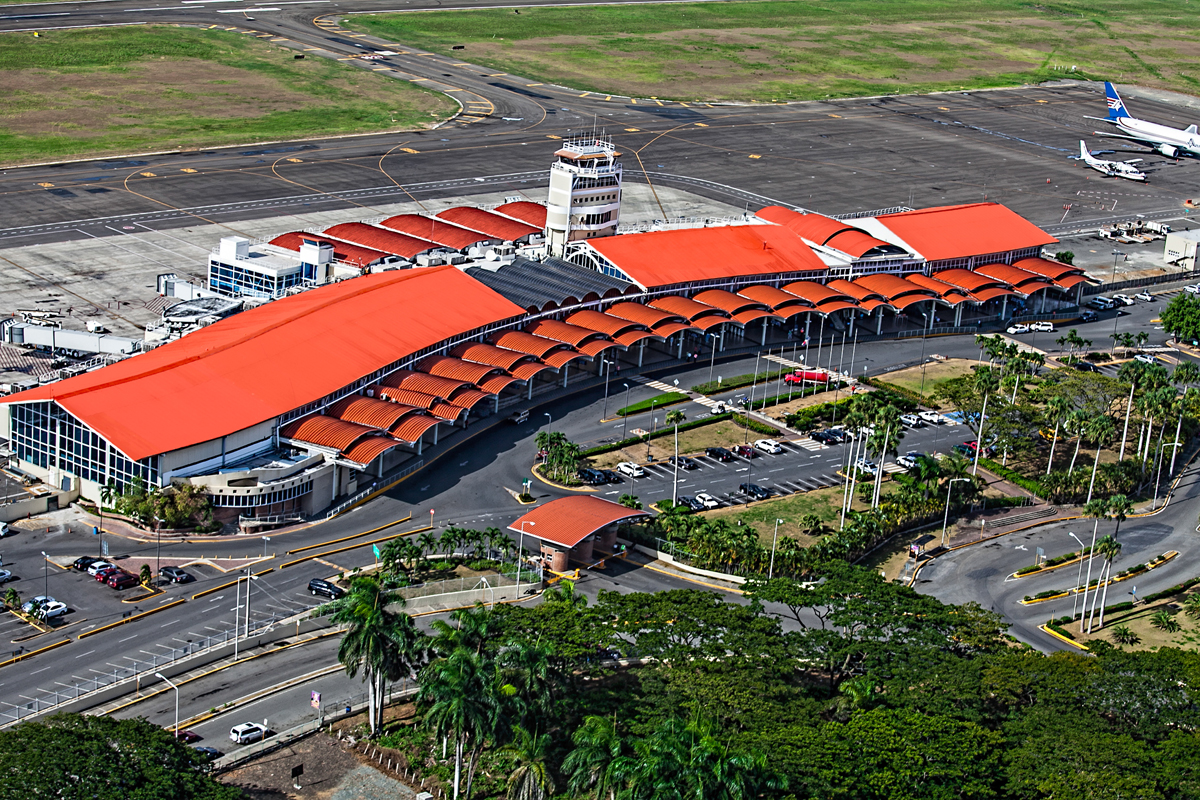
Cibao International Airport (MDST / STI) Pilot Guide 2026
Introduction
Cibao International Airport (MDST/STI) is one of the Dominican Republic’s most important airports and serves as the primary aviation gateway to Santiago de los Caballeros, the country’s second-largest city. Located approximately 15 kilometers east of Santiago, the airport connects the Cibao Valley with North America, the Caribbean, and other international destinations.
For private pilots, charter operators, and business aviation departments, MDST offers a convenient alternative to the larger airports in Santo Domingo and Punta Cana. The airport combines modern infrastructure, customs and immigration services, reliable fuel availability, and quick access to one of the Dominican Republic’s most productive economic regions.
The Cibao region is known for agriculture, manufacturing, free trade zones, tobacco production, medical tourism, and growing aviation activity. As a result, MDST continues to play an increasingly important role in both commercial and private aviation.
Airport Overview
| Item | Information |
|---|---|
| Airport Name | Cibao International Airport |
| ICAO | MDST |
| IATA | STI |
| City | Santiago de los Caballeros |
| Airport Type | International Airport |
| Customs Available | Yes |
| Immigration Available | Yes |
| Fuel Services | Available |
| Business Aviation | Available |
| Operating Hours | 24 Hours |
Why Pilots Choose Cibao International Airport
Many operators choose MDST because it provides easier access to the Dominican Republic’s northern and central regions.
Advantages include:
- Lower congestion than Punta Cana
- Convenient access to Santiago
- Modern facilities
- Customs and immigration services
- Strong business travel market
- Access to Jarabacoa and Constanza
- Efficient passenger processing
- Reliable fuel services
The airport is especially attractive for operators serving:
- Santiago
- La Vega
- Jarabacoa
- Moca
- Bonao
- Puerto Plata region
History of the Airport
Cibao International Airport officially opened in 2002 and quickly became one of the country’s most important international airports.
The airport was developed to support the growing Dominican diaspora living in:
- New York
- New Jersey
- Massachusetts
- Pennsylvania
- Florida
Today, MDST serves millions of passengers annually and remains one of the busiest airports in the Dominican Republic.
Runway Information
Runway 08/26
Length:
Approximately 2,620 meters (8,596 feet)
Surface:
Asphalt
Lighting:
Available
Instrument Procedures:
Available
The runway is capable of handling:
- Commercial airliners
- Turboprops
- Business jets
- Charter aircraft
- General aviation aircraft
Aircraft commonly operating at MDST include:
- Boeing 737
- Airbus A320
- Embraer E-Jets
- Gulfstream aircraft
- Challenger aircraft
- Citation aircraft
- King Air aircraft
Air Traffic Control Services
The airport provides:
- Tower services
- Ground control
- Approach control
- Instrument procedures
Pilots should always verify current frequencies and procedures through official aeronautical publications before departure.
Customs and Immigration Procedures
MDST is a designated airport of entry.
International arrivals can complete:
- Immigration processing
- Customs inspections
- Security procedures
Typical arrival process:
- Land and taxi to assigned parking.
- Meet handling representative if applicable.
- Proceed through immigration.
- Complete customs inspection.
- Exit terminal or continue operations.
Related Guide:
https://flydominicanrepublic.com/dominican-republic-customs-immigration-guide/
Fuel Availability
Fuel services are generally available.
Jet A
Widely available.
Supports:
- Commercial airlines
- Business aviation
- Charter operations
Avgas
Availability should always be confirmed before departure.
Fuel Guide:
https://flydominicanrepublic.com/dominican-republic-aviation-fuel-guide/
Business Aviation Operations
MDST continues to attract growing business aviation traffic.
Common users include:
- Manufacturing executives
- Medical tourism providers
- Tobacco industry executives
- International investors
- Corporate operators
Business travelers often prefer Santiago due to its proximity to industrial zones and commercial activity.
General Aviation Operations
The airport also supports:
- Private aircraft
- Recreational flying
- Training flights
- Aviation events
Many international fly-in participants use MDST when visiting the Cibao region.
Weather Considerations
Unlike coastal airports, MDST is located within the Cibao Valley.
Weather factors include:
Mountain Influence
Nearby mountains can influence:
- Winds
- Visibility
- Cloud formation
Summer Thunderstorms
Afternoon convection may occur during warmer months.
Trade Winds
Prevailing easterly winds remain an important factor throughout the year.
Weather Guide:
https://flydominicanrepublic.com/dominican-republic-aviation-weather-guide/
Transportation Options
Transportation services include:
- Rental cars
- Taxis
- Ride-share services
- Executive transportation
- Hotel shuttles
Travel times:
Santiago City Center:
15–20 minutes
Jarabacoa:
Approximately 1 hour
Constanza:
Approximately 2 hours
Puerto Plata:
Approximately 90 minutes
Hotels Near Cibao Airport
Hodelpa Garden Court
Popular with business travelers and airline crews.
Residence Inn Santiago
Modern accommodations near commercial areas.
Hodelpa Gran Almirante
One of Santiago’s best-known hotels.
AC Hotel Santiago
Located in the growing commercial district.
Top Attractions Near Santiago
Monument to the Heroes of the Restoration
One of Santiago’s most recognizable landmarks.
Centro León
Major cultural and educational institution.
Historic Santiago District
Features restaurants, shopping, and nightlife.
Jarabacoa
Popular mountain destination known for:
- Hiking
- River rafting
- Eco-tourism
- Cooler temperatures
Constanza
One of the Caribbean’s most unique mountain communities.
Economic Importance
The Cibao region is often considered the economic engine of the Dominican Republic.
Major industries include:
- Agriculture
- Tobacco
- Manufacturing
- Medical services
- Technology
- Tourism
This economic activity generates significant business aviation demand.
Internal Links
Complete Pilot Guide:
https://flydominicanrepublic.com/complete-pilot-guide-to-flying-to-the-dominican-republic/
Fuel Guide:
https://flydominicanrepublic.com/dominican-republic-aviation-fuel-guide/
Weather Guide:
https://flydominicanrepublic.com/dominican-republic-aviation-weather-guide/
Customs Guide:
https://flydominicanrepublic.com/dominican-republic-customs-immigration-guide/
Las Américas Guide:
https://flydominicanrepublic.com/las-americas-international-airport-mdsd-sdq-guide/
Punta Cana Guide:
https://flydominicanrepublic.com/punta-cana-international-airport-mdpc-puj-guide/
Frequently Asked Questions
What is the airport code for Cibao International Airport?
ICAO: MDST
IATA: STI
Is customs available?
Yes.
Is Jet A fuel available?
Yes.
Is Avgas available?
Availability should be confirmed before arrival.
Is Cibao Airport good for business aviation?
Yes. It is one of the country’s most important business aviation airports.
How far is the airport from Santiago?
Approximately 15 kilometers.
Is Cibao less congested than Punta Cana?
Generally yes, making it attractive for many operators.
Conclusion
Cibao International Airport is one of the Dominican Republic’s most important aviation gateways and a critical link between the country’s economic heartland and international markets. With modern infrastructure, customs facilities, reliable fuel availability, and convenient access to Santiago and the Cibao Valley, MDST offers an excellent option for commercial airlines, private pilots, charter operators, and business aviation users alike.
For operators looking to explore the Dominican Republic beyond the major tourism centers, Cibao International Airport provides a highly efficient and strategically located point of entry.
Author: Franklin Polanco
Publisher: FlyDominicanRepublic.com
Last Updated: June 2026